

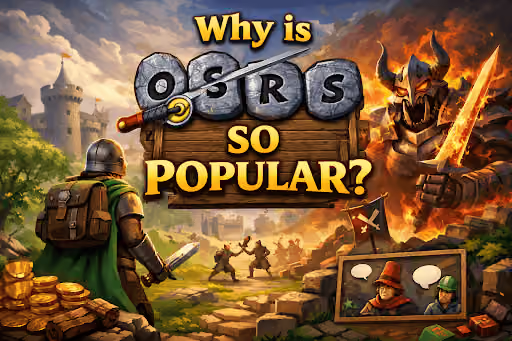
Old School RuneScape and its classic-style gameplay have seen renewed popularity in recent years. Players new and returning cite a mix of design choices, psychology, accessibility, and community systems that make the game feel rewarding and enduring. This article explains the core reasons behind the resurgence and offers practical guidance for anyone thinking of starting or coming back.
What is Old School RuneScape and who is it for?
Old School RuneScape, often shortened to OSRS, is a version of a long-running fantasy MMO built around skill training, quests, trading, and player-versus-player content. It appeals to:
- Players who enjoy long-term progression rather than instant rewards.
- People drawn to retro or low-spec games that run on most devices.
- Social gamers who want community-driven events, clans, and cooperative content.
- Competitive players who like high-skill boss fights and player-versus-player combat.
Seven core reasons for the resurgence
-
Meaningful player choice and freedom
Old School RuneScape gives players a wide range of activities and no single mandatory path. You can focus on crafting, combat, trading, questing, or a mix. That autonomy allows players to set their own goals and playstyles rather than follow a rigid progression system.
-
Clear skill-based progression and a sense of mastery
Progress is explicit, measurable, and tied to practice. Skills increase with repeated actions, and higher levels unlock new tools, areas, and content. That straightforward feedback loop creates durable motivation: effort translates into visible improvement.
-
Strong community and social systems
Clans, in-game events, player-hosted competitions, and trading create frequent social interaction. Players co-operate for difficult boss fights, organize in-game markets, and form long-standing social groups. Those connections build retention through social obligation and shared achievements.
-
Low barrier to entry and nostalgic appeal
The game’s modest system requirements, simple graphics, and mobile availability make it easy to access. For many players, the visuals and mechanics recall an earlier era of gaming, which can be a major factor in returning or recommending the game to friends.
-
Reward structures that value time and skill
Rewards typically scale with player effort and skill rather than with payments. Whether you are training a skill, crafting rare items, or mastering boss mechanics, progress is earned. This model encourages long-term commitment instead of short-term spending.
-
Player influence over updates and game direction
Major content decisions and some update paths are shaped by the player base. When players have a voice in what is added or changed, they develop ownership of the game world. That democratic element increases loyalty and the willingness to invest time.
-
Wide range of playstyles from AFK to elite PvM
The game supports multiple intensities of play. Some activities are near-passive and suitable for casual players, while other endgame content requires precision, timing, and coordinated teamwork. That flexibility keeps both casual and hardcore audiences engaged.
Concrete examples of how these reasons show up in gameplay
- Autonomy: You can aim to be a merchant, a master fisherman, or a boss-hunter; no single role is enforced.
- Mastery: Repeating a minigame or boss encounter gradually improves your routes and efficiency.
- Community: In-game markets, clan events, and public boss spawns encourage cooperation and competition.
- Accessibility: A mobile client or low system requirements make it easy to play on the go.
How to get the most out of Old School RuneScape: a practical starter checklist
- Pick one clear goal. Examples: reach a combat level, complete a specific quest, or earn enough gold to buy desired gear.
- Choose a learning route. Use guides for quest orders, skill training methods, and boss mechanics instead of random grinding.
- Join a clan or community. New players benefit from clan help for group activities, tips, and social motivation.
- Balance AFK and active play. Use passive training when you need downtime and active content when you want challenge and rewards.
- Secure your account. Enable two-factor authentication and avoid sharing login details.
Common misconceptions and pitfalls
- Misconception: The game is only nostalgia. Reality: nostalgia draws players in, but modern design choices and active communities keep them playing long-term.
- Pitfall: Burnout from unfocused grinding. Solution: set smaller milestones and switch activities to avoid repetition.
- Pitfall: Falling for scams or unsafe trading. Solution: learn the official trading systems and avoid off-game transactions.
- Misconception: It is strictly casual or strictly hardcore. Reality: the game supports both ends of that spectrum.
FAQ
Is RuneScape dead?
No. Classic-style versions remain active with steady player bases because of persistent progression, social systems, and ongoing content updates.
What is the difference between Old School RuneScape and the modern version?
Old School focuses on a retro gameplay experience with player-influenced updates and an emphasis on clear skill progression. The modern version has more modern graphics, different mechanics, and broader monetization options.
Is Old School RuneScape pay-to-win?
The game prioritizes time and skill for the most powerful rewards. While there are optional purchases and membership options, core progression remains centered on in-game effort.
Can I play on mobile?
Yes. Mobile clients are available for many classic-style MMO versions, making it easier to play casually or on the move. Performance is generally good because of low system requirements.
Summary
The resurgence of Old School RuneScape rests on a mix of psychological design, accessible technology, and active communities. Players keep returning because the game provides meaningful choices, visible progress, social belonging, and a rewarding balance between casual and elite activities. For new or returning players, the best approach is to pick clear goals, join community groups, and mix passive and active gameplay to stay motivated.